Tate defines the found object as ‘a natural or man-made object, or fragment of an object, that is found (or sometimes bought) by an artist and kept because of some intrinsic interest the artist sees in it’.
Picasso was one of the forerunners in this line of work as can be seen by the use of newspapers, matchboxes and other scavenged materials in his cubist collages and assemblages. One of Marcel Duchamp’s readymades, a urinal he called Fountain, is perhaps the most (in)famous ‘objet trouvé’ artworks.
The use of available or found materials helps to inform the artwork. It brings a host of elements into play: where was it found? is it ripped, stained or damaged in another way from being outside long (if it was found outside of a building)? who did it belong to? what is it? why was is discarded? And so forth. It is as if these materials already have a life, and something to say. The task of the artist is to make it speak, to reveal itself.
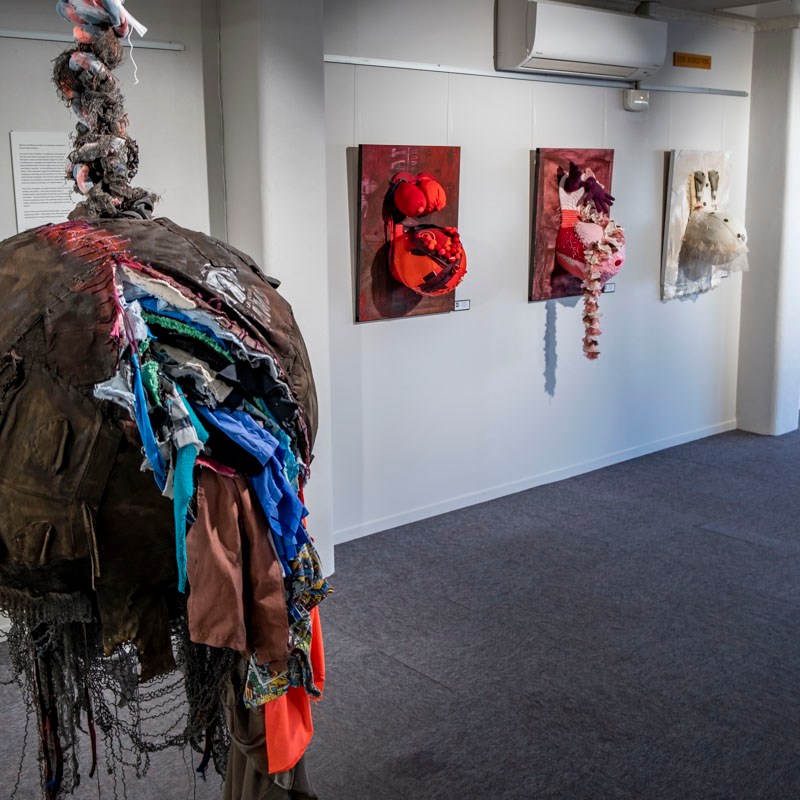
My self-assigned found object project stems from noticing the amount of lost or discarded fabric I see everywhere: next to the road, on walkways, in parks. Roads are often bestrewn with rubbish, and pieces of fabric is a regular sight amongst the litter. Large items can often be found, like duvet covers and bed linen. Perhaps these may have been blown off the back of a ute when moving household items, or maybe out of a campervan window? Apart from bed linen, pieces of clothing is another common roadside item.
These found items I wash at the local laundromat in the doggy blanket machine before using them. When a piece of fabric had been on the side of the road for very long, it would sometimes fall apart and start to disintegrate, which creates new possibilities.
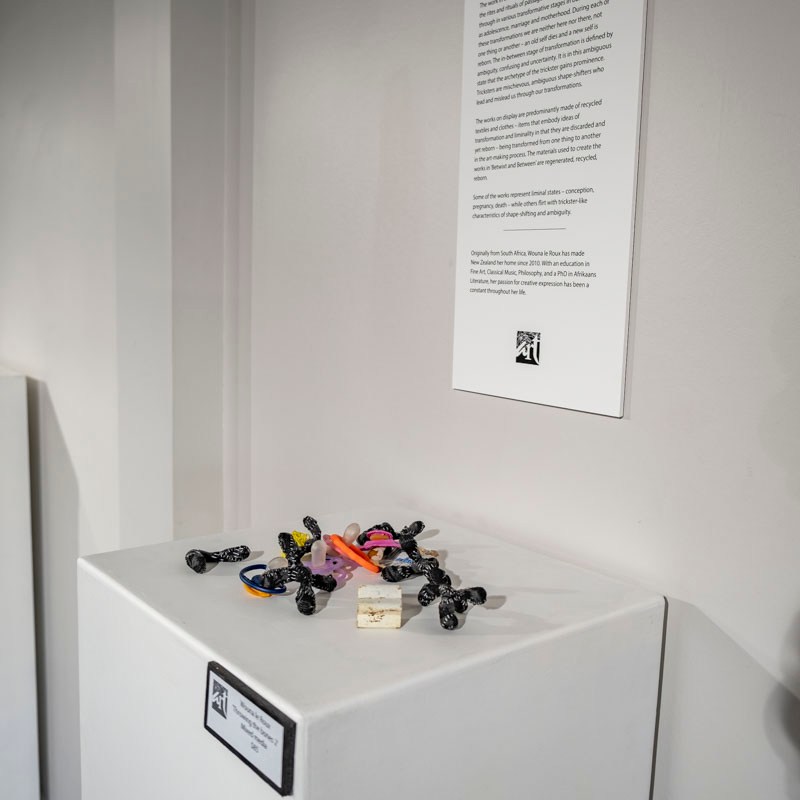
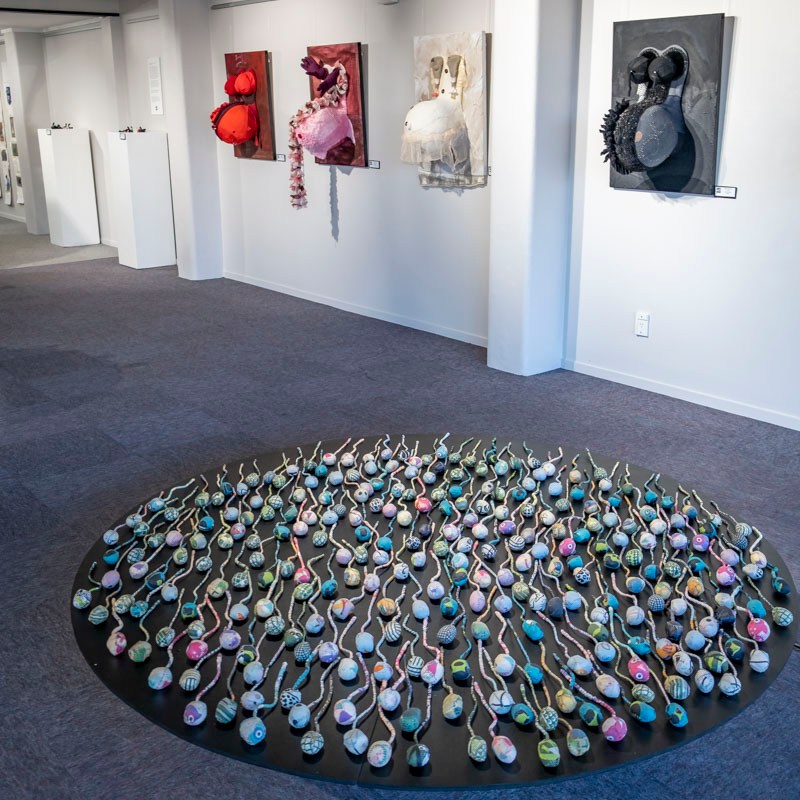
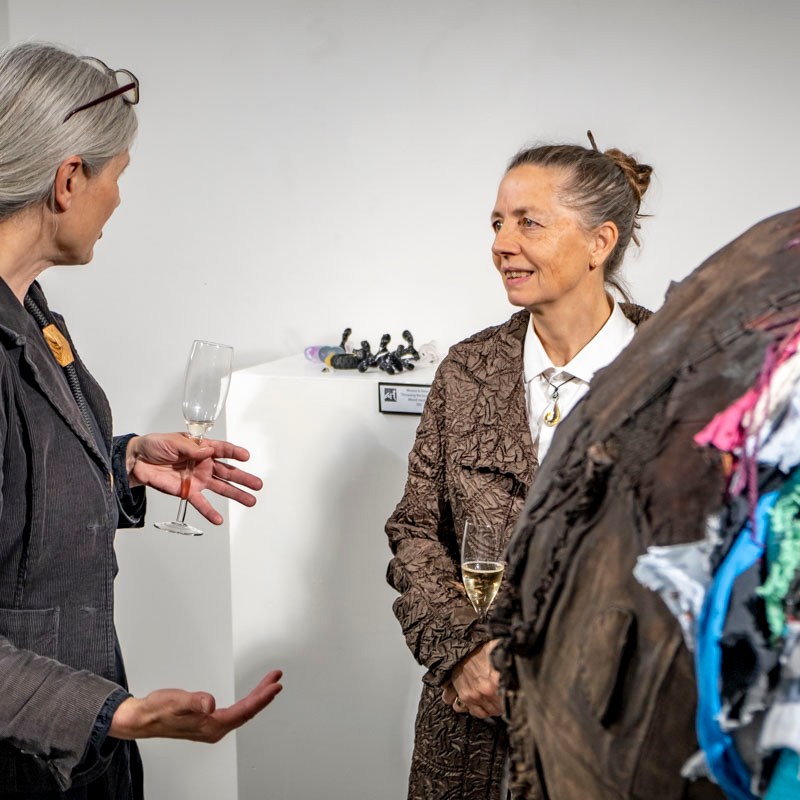
With this project I will be looking into the wastefulness of our modern society, by using discarded textiles to produce artworks (showcasing beautiful objects made from “trash”). Collecting items discarded by the community and putting it together in artworks, is a metaphor for “fixing” something that is broken, piecing something together, in line with kintsugi (golden joinery)/kintsukuroi (golden repair) traditions.
The first thing that sprung to mind when I found a lot of bed linen, is an article that was published in the Guardian in 2017, titled ‘Want to fight climate change? Have fewer children’. I’m hoping through this project to illustrate the sentiment in this article.





 Wouna le Roux